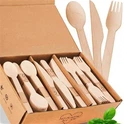


Disposable paper cups are dry waste. Dry garbage mainly includes lunch boxes, napkins, wet wipes, toilet paper, plastic bags, food packaging bags, heavily polluted paper, cigarette butts, diapers, disposable cups, big bones, shells, flower pots, ceramics, etc.
The use of sanitary landfill can effectively reduce the pollution of groundwater, surface water, soil and air. In today's society, there is no good way to effectively dissolve other garbage, so it is necessary to produce as little as possible.
Requirements for putting in dry garbage: Drain the water as much as possible; put household garbage that is difficult to identify into dry garbage containers.
The purpose of garbage classification is to increase the resource value and economic value of garbage, strive to make the best use of it, reduce the amount of garbage treatment and the use of treatment equipment, reduce the cost of treatment, and reduce the consumption of land resources. It has social, economic, ecological and other aspects. benefit.
Garbage belongs to the private property of the public in the stage of classified storage. After the garbage is sorted by the public, it becomes a regional public resource in the community or community where the public lives. After the garbage is sorted and transported to the garbage collection point or transfer station, it becomes a non-exclusive public resource. Judging from the methods of domestic and foreign cities to classify domestic waste, most of them are classified according to the composition and production volume of waste, combined with the resource utilization and treatment methods of local waste.