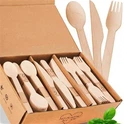


In light of growing environmental concerns, companies are actively seeking eco-friendly alternatives to conventional food packaging. One such solution that is rapidly gaining traction is pulp dinner plates. Made from natural fibers, such as plant starch, cellulose, and bamboo, these plates offer a sustainable and biodegradable option for serving food.
Pulp dinner plates have several advantages over their plastic or paper counterparts. For one, they are made from renewable resources and are completely compostable, breaking down in soil within a few months. This makes them an excellent option for food service providers looking to reduce their environmental impact.
In addition, pulp plates offer similar durability and functionality to plastic plates, without the negative effects on the environment. They are resistant to grease and oil and can be used with hot and cold foods, making them ideal for restaurants and food trucks.
The demand for pulp dinner plates is on the rise, and several companies are entering the market to meet this need. For example, Earthy Ecopack, a leading manufacturer of eco-friendly packaging, recently launched its line of palm leaf plates made entirely of natural materials. The plates come in various shapes and sizes, making them versatile for different types of cuisine.
Other companies are also exploring the use of innovative materials for pulp dinner plates, including wheat straw, bagasse, and even mushrooms. The possibilities are endless, and the trend toward sustainable food packaging is only gaining momentum.
As consumers become more aware of the impact their choices have on the environment, they are increasingly seeking out businesses that prioritize sustainability and eco-friendliness. Pulp dinner plates are an easy and effective way for food service providers to differentiate themselves and attract environmentally conscious customers.
In conclusion, pulp dinner plates are a promising new solution in the food packaging industry. They offer a sustainable and biodegradable alternative to plastic and paper plates, with similar durability and functionality. As more businesses adopt these plates, we can move towards a more sustainable future for the food service industry.